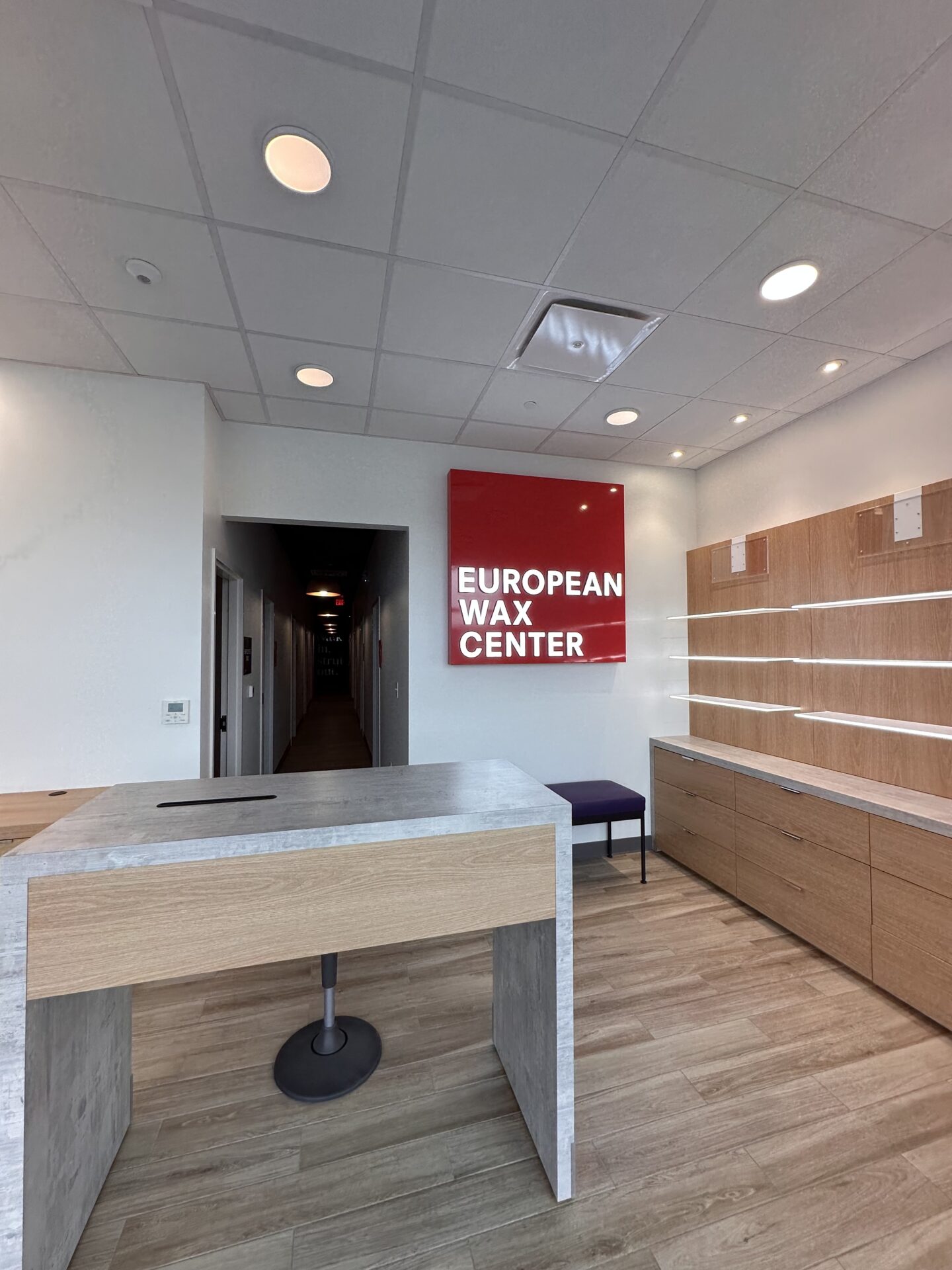
If you’re signing a commercial lease in metro Atlanta, the tenant improvement allowance is one of the most important numbers in the deal, and one of the easiest to misunderstand. It decides how much of your build-out the landlord pays for, how much comes out of your pocket, and sometimes how quickly you can open your doors.
Key takeaways
- A TI allowance is landlord money for permanent improvements, usually quoted per square foot of leased space.
- What it covers is spelled out in the lease’s work letter. Read it before you sign, not after.
- Walking the space with a contractor before you sign is the single best way to avoid budget surprises.
- Know how and when the money is paid out, and whether the allowance expires.
What is a tenant improvement allowance?
A tenant improvement allowance (often called a TI allowance or TIA) is money the landlord agrees to put toward customizing a space for a new tenant. It’s usually written into the lease as a dollar amount per square foot, and it’s meant to cover the construction needed to make the space work for that tenant’s business.
The allowance is part of the overall lease negotiation. A larger allowance often comes with a longer lease term or higher rent, because the landlord recovers that investment over time. That makes it worth understanding before you start negotiating.

What a TI allowance usually covers
Every lease is different, so the work letter is the document that matters. In general, allowances are meant for permanent improvements that stay with the building:
Usually covered
Interior walls and doors, ceilings and flooring, electrical and lighting, plumbing and restrooms, HVAC changes for the new layout, and often design fees and permits.
Usually not covered
Furniture, computers and equipment, moving costs, some exterior signage, and anything the tenant takes with them when the lease ends.
Some leases cap how much of the allowance can go to “soft costs” like architecture, engineering and permitting. Check that number early, because it can change how far the money really goes.
Allowance or turnkey?
There are two common ways landlords handle a build-out, and each has tradeoffs.
Allowance
The landlord provides a set dollar amount. You (or your contractor) manage the build-out, and anything over the allowance is your responsibility. More control over design and schedule.
Turnkey
The landlord manages the build-out and delivers a finished space to an agreed plan. Less control over contractors and finishes, but more predictability on cost.
Neither is better in every case. The right choice depends on how specialized your space is and how much time you have to manage the project.
Five ways to make your allowance go further
- Bring a contractor in before you sign. A walk-through can uncover an HVAC system that won’t support your layout, an electrical panel that needs an upgrade, or a restroom that won’t meet accessibility requirements. Knowing that early gives you leverage to negotiate a larger allowance or have the landlord fix it first.
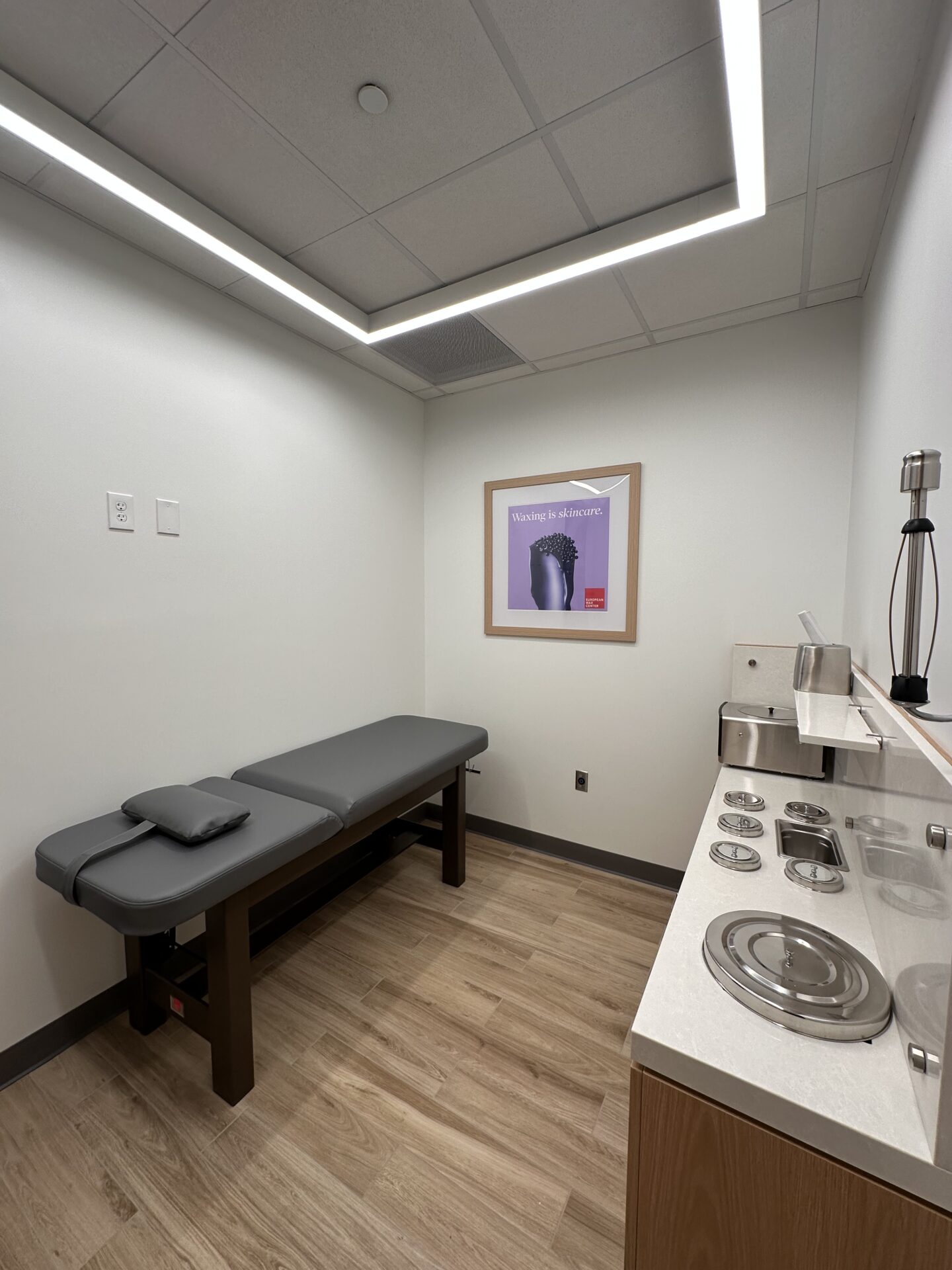
- Reuse what’s already there. Second-generation spaces, previously built out for another tenant, can save real money when the layout is close to what you need. Keeping walls, ceilings and restrooms frees up budget for the finishes people actually see.
- Plan for permitting from day one. Most tenant improvements need a building permit, and the timeline depends on the jurisdiction. The City of Atlanta, the surrounding cities and each county have their own building departments and review times. Building review time into the schedule protects your opening date.
- Understand how the money is paid out. Some landlords pay the contractor directly as work progresses. Others reimburse the tenant after the work is finished and lien waivers are collected. If it’s a reimbursement, you’ll need to fund the work up front.
- Watch the deadline. Many leases require the allowance to be used within a set window after the lease starts. Money left on the table after that date usually stays with the landlord.
For landlords and property managers
A well-planned TI is one of the best tools you have for filling a vacancy and keeping a good tenant. A few things make every project smoother:
- Standardize what you can. A building standard for doors, ceilings, lighting and finishes speeds up pricing and keeps the property consistent.
- Coordinate around occupied suites. In multi-tenant buildings, noise, dust and after-hours work need to be scheduled so neighbors aren’t disrupted.
- Use one contractor across the property. A contractor who already knows your building’s systems prices faster and avoids repeat surprises.
Frequently asked questions
How is a TI allowance usually quoted?
Most often as a dollar amount per square foot of the leased space, multiplied by the total square footage. The amount varies widely by market, building and lease term.
Can I use my allowance for furniture?
Usually not. Allowances are generally limited to permanent improvements. Some leases allow a portion for specific items, so check your work letter.
What happens if my build-out costs more than the allowance?
In an allowance setup, the tenant typically pays the difference. That’s why pricing the work before you sign matters so much.
Weighing a lease or planning a build-out?
Robert Long Construction handles tenant improvements and commercial build-outs across metro Atlanta. We’re happy to walk the space with you and give you a realistic picture of what the allowance will cover.